

.avif)
Government agencies produce a staggering amount of documentation. Managing it all with copy-and-paste is slow and incredibly risky. A single outdated policy can have serious consequences. There's a smarter way. A Component Content Management System (CCMS) lets you create content once and reuse it everywhere. This builds a reliable self-service knowledge base for citizens and staff. Using a CCMS in the government services sector doesn't just cut down on errors; it improves your CCMS customer service by providing consistent, accurate answers instantly. This approach streamlines workflows and ensures everyone gets the right information.
A world where looking for help guides or product details is as easy as a quick Google search. Where searches are filled in for you, and you don't need an exact match to find what you're looking for. Where you get suggestions for related content. Where virtual helpers and chatbots can answer questions and give advice on their own.
All of this and more is possible when we mix structured content with top-notch technologies to create amazing customer self-service experiences.
In this blog post, we're discussing how managing customer service and support documents with a Component Content Management System can transform your ability to create top-tier customer self-service experiences.
Quick Takeaways
- Using structured content and a CCMS enhances content consistency, minimizes errors, and improves content discoverability, leading to better customer experiences
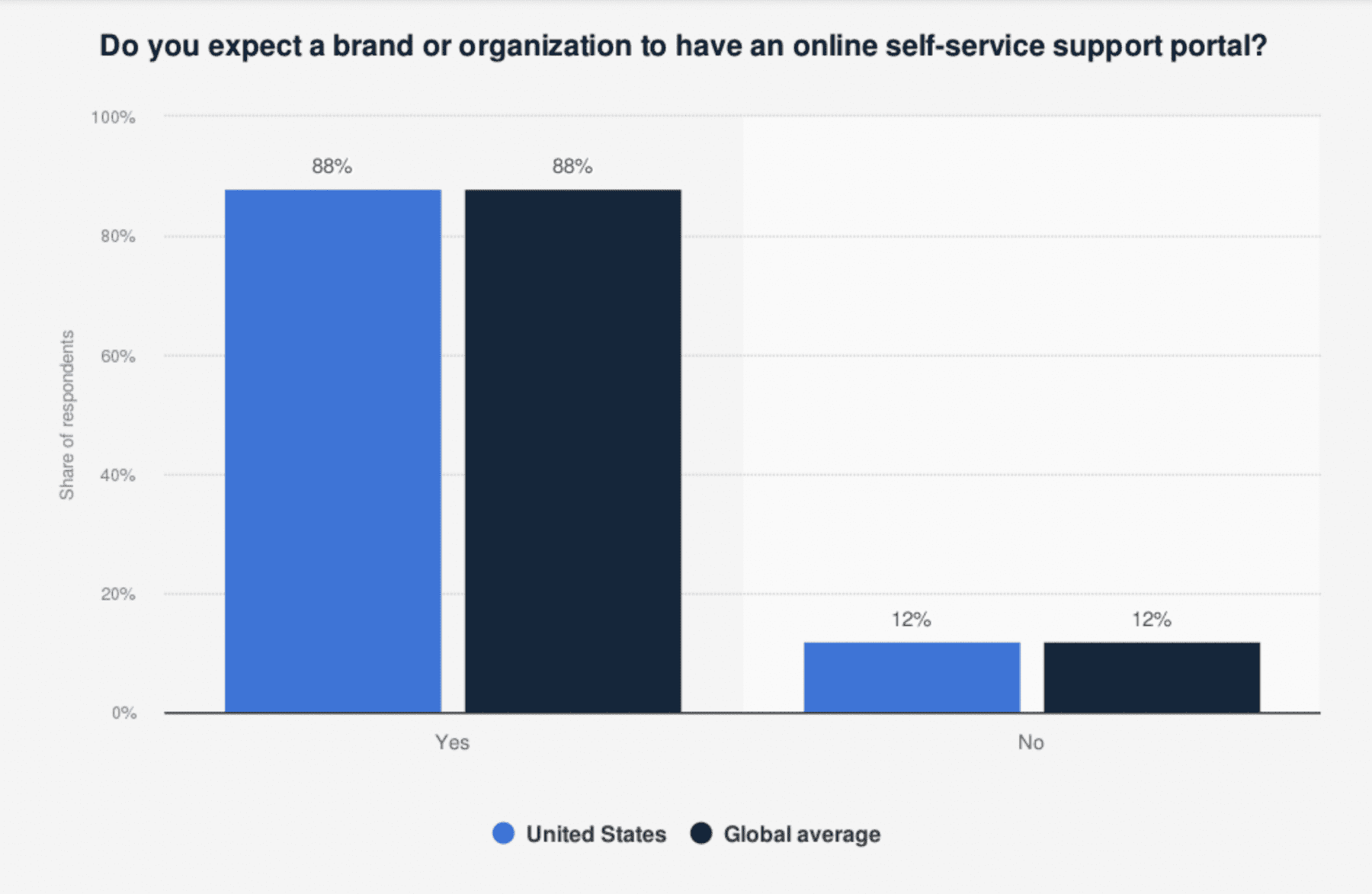
- 88% of customers expect companies to offer an online self-service portal
- 67% of customers would rather use self-service than talk to a support agent
- Headless delivery allows content to be displayed anywhere, in any format, offering flexibility and adaptability
Explore the power of a Component Content Management System in delivering consistent, accurate, and easily accessible content for superior customer self-service experiences.
Why Customer Self-Service Is No Longer Optional
In today's world, quick results and easy access to information are the new normal. Customers expect both speedy and convenient solutions, and many prefer to take matters into their own hands. That’s where customer self-service options come in.
Customer self-service gives users the freedom they want, allowing them to solve problems without needing to reach out for help. This approach is quickly becoming the standard way customers interact with organizations. In fact, 88% of customers expect companies to offer an online self-service portal, and 67% would rather use self-service than talk to a support agent.
What is a Component Content Management System (CCMS)?
So, what exactly is the engine that powers this kind of efficient self-service experience? It’s often a Component Content Management System, or CCMS. Think of a CCMS as a specialized library for your content. Instead of storing entire books (or documents), it breaks down information into small, reusable pieces called "components." This is a fundamental shift from traditional systems where content is locked inside static files like Word documents or PDFs, making it difficult to reuse or update without a lot of manual copy-pasting.
A CCMS manages content at this granular level, treating each component as a smart asset. This means you can write a warning notice once, store it as a component, and then pull it into every relevant document across your entire product line. If that warning needs an update, you change it in one place—the source component—and the CCMS automatically updates it everywhere it’s used. This approach ensures consistency, accuracy, and incredible efficiency, especially for technical documentation teams managing complex information for multiple products and audiences.
The Origins of Component-Based Content
The idea of component-based content isn't new. It emerged back in the 1990s as a direct response to a growing problem: traditional content creation tools just couldn't keep up with the increasing complexity of technical information. As companies expanded their product lines and began localizing content for global markets, the old "copy and paste" method of reuse became a recipe for disaster. It created a web of duplicated content that was impossible to manage effectively, leading to inconsistencies, errors, and soaring translation costs.
Solving Content Challenges from the 1990s
Teams were struggling to maintain accuracy across different versions of the same manual or ensure that a critical update made it into every document where it was needed. The CCMS was developed to solve these exact challenges. By breaking content down into manageable components and storing them in a central repository, organizations could finally establish a single source of truth. This new model allowed writers to assemble documents from a library of approved components, drastically reducing errors and ensuring that customers always received consistent, up-to-date information, no matter the product or language.
How a CCMS Manages Content as Smart Assets
A CCMS does more than just store content; it transforms it into intelligent assets. Each component is enriched with metadata—tags that describe what the content is, who it's for, what product it applies to, and more. This intelligence is what allows the system to manage content dynamically. Instead of being a static block of text, a component becomes a flexible asset that can be automatically published to different channels, personalized for specific audiences, and tracked throughout its entire lifecycle. This approach is the foundation for creating scalable and adaptable documentation that can meet users wherever they are.
Breaking Content Down to its Smallest Parts
The core principle of a CCMS is that each piece of information is stored only once. This concept, often called "single-sourcing," is a game-changer for content reuse. Imagine you have a setup procedure that's nearly identical for three different products, with only the product name changing. Instead of writing and maintaining three separate documents, you write the procedure once and use a variable for the product name. This is made possible through standards like DITA XML, which provide a framework for this kind of componentization. When an update is needed, you edit the single source component, and the change is instantly reflected in all three product manuals, saving time and preventing errors.
Managing the Content Lifecycle
Because a CCMS operates at the component level, it provides incredibly detailed control over the entire content lifecycle. The system keeps a complete version history for every single component, tracking who made what change and when. This creates a transparent audit trail and simplifies the review and approval process. With robust content governance features, you can define specific workflows for creation, review, translation, and publication. This ensures that every piece of content is properly vetted before it reaches the customer, maintaining high standards of quality and compliance across your documentation.
The Topic-Based Authoring Approach
Working with a CCMS requires a shift in how writers think about and create content. Instead of writing long, linear documents from start to finish, they practice "topic-based authoring." This means creating content in small, self-contained chunks, where each topic is designed to answer a single question or explain a specific concept. For example, a writer might create one topic for "How to Install the Software" and another for "How to Reset Your Password." These topics are written to stand alone, making them perfectly suited for reuse in various contexts—from a comprehensive user guide to a quick-response chatbot answer.
How a CCMS Delivers Better Self-Service
Many sectors, like finance, government, and healthcare, have to share complex information with clients or employees. But when different departments handle their own documentation, it can lead to inconsistencies. This vital information can become:
- Outdated
- Incorrect
- Hard to find
- Difficult to understand
The stakes are high–we're talking about reduced productivity, missed targets, lost customers, compliance breaches, and financial losses.
Ensure Content Accuracy and Compliance
With a Component Content Management System (CCMS), organizations can offer effective self-service options and deliver accurate, up-to-date, and timely information super quickly. Here’s how:
- Reduce risk. Outdated or incorrect documentation can expose you to regulatory, financial, and reputational risks. But a good CCMS ensures your content is accurate and up-to-date, keeping your organization safe.
- Preserve content integrity. With a CCMS, you can keep an audit trail and document history, which boosts accountability and keeps your content accurate.
- Minimize errors. A CCMS helps organizations flag errors before they're published. Heretto will notify users if a topic or piece of content doesn't follow the rules they've set up in the system, or if it's going to cause errors when publishing.
- Maintain a single source of truth. A CCMS lets you have a centralized repository and single sourcing, which ensures content consistency. It takes away the headache of managing scattered content and eliminates duplicate content.
Help Customers Find Answers Faster
Whether it's information for customer support or your company's policies and procedures, it's crucial for your content to be easy to find. With a CCMS, your organization can:
- Boost usability with conditional content. Structured content lets you direct the right content to the right departments, users, regions, levels, and so on. It ensures that people have what they need when they need it.
- Foster collaboration. Web-based reviews make it easy and intuitive for subject matter experts to review and contribute to detailed content.
- Improve content discoverability. Structured content comes with rich metadata, which is like a secret weapon for making your documentation super searchable. It also gives your search engine optimization (SEO) performance a big boost.
Create an Experience That Builds Customer Loyalty
Heretto helps organizations deliver top-notch help and support to their customers. Here’s what your organization can do with a CCMS:
- Reach users with ease. With a good CCMS, you can make your content available across the channels and formats your users love the most.
- Cut down customer support costs. Quality help content that's up-to-date and easy to search not only boosts customer satisfaction, but also speeds up response times and cuts down on customer support calls.
- Update content faster. A smooth publishing workflow means you can get your content to market faster, even when you have last-minute changes or small updates.
Deliver Personalized Content Experiences
When we talk about personalization, we're not just talking about adding a customer's name to an email. In documentation, personalization means delivering content that’s precisely tailored to a user's specific needs. A CCMS makes this possible by using structured content to show the right information to the right person. Think of it like building with LEGOs—you can reuse the same basic blocks to create different final products. This means you can create content that automatically adjusts for different product versions, user roles, or geographic locations, ensuring customers only see the information that applies to them and their situation.
Track Content Performance and Engagement
Creating great self-service content is one thing, but knowing if it’s actually helping your customers is another. A CCMS provides the tools to track how users interact with your documentation. You can see which articles are most popular, what terms people are searching for, and where they might be struggling to find answers. This data is incredibly valuable. It gives you a direct line into your customers' needs, allowing you to identify content gaps and make data-driven decisions to improve your help portal. This transforms your documentation from a static library into a living resource that gets better over time, as shown in our customer success stories.
Build and Publish with Low-Code Tools
Getting content out the door quickly is essential for effective self-service, but technical bottlenecks can slow things down. Many modern CCMS platforms, including Heretto, offer low-code solutions that empower your entire team to publish content without needing deep technical expertise. This means writers and subject matter experts can contribute, review, and push updates live through intuitive interfaces. By removing the reliance on development resources for every small change, you can publish content faster, react to customer feedback more quickly, and ensure your self-service portal is always accurate and up-to-date.
Why Structured Content Is Key to Great Self-Service
Many organizations are choosing to invest in customer self-service and structured content to enhance their organizational knowledge.
What's structured content, you ask? It's a way of organizing information in a systematic way. Organizations break down their content into smaller, reusable pieces like:
- Headings
- Paragraphs
- Lists
- Sections
Then, they tag each part with specific labels or metadata that give context to the content. This makes the content easy to categorize, index, and retrieve.
You can think of structured content like building blocks or puzzle pieces. You can put them together and rearrange them to create different types of content. By using consistent labels and tags, you create structure that makes managing and distributing content a breeze.
Structured content also makes it easy for organizations to update and repurpose content across multiple channels. You can piece together relevant materials to create tailored content for different platforms, like:
- Knowledge bases
- Chatbots
- Mobile apps
This kind of flexibility saves time, promotes consistency, and makes for a better customer experience.
Broader Benefits and Use Cases of a CCMS
Beyond improving customer self-service, a CCMS fundamentally shifts how your organization handles information. It moves you from creating static, one-off documents to managing a dynamic library of intelligent content assets. This approach unlocks efficiencies across various departments and content types, from technical documentation and training materials to marketing and regulatory filings. By treating content as reusable, trackable components, you build a scalable foundation for all your organizational knowledge, ensuring consistency and accuracy everywhere your information appears.
Reduce Translation Costs with Content Reuse
For any company operating on a global scale, translation is a significant and recurring expense. A CCMS dramatically cuts these costs by changing the translation process. Instead of translating entire documents every time an update occurs, you only translate individual content components. Once a component is translated, it's stored and can be reused across countless documents, meaning you only pay to translate each unique piece of content once. This makes your translation management process more efficient and accelerates your time-to-market for localized content.
Gain Full Traceability and Modularity
A CCMS treats every piece of content as a modular, independent asset with its own lifecycle, complete with version history, ownership details, and approval status. This gives you complete traceability, allowing you to see exactly where each component is used and who has made changes to it over time. This level of content governance is critical for maintaining accuracy and consistency, especially in regulated industries. It eliminates the risks of copying and pasting content, where information can become disconnected from its source and quickly fall out of date.
Support for Diverse Teams and Content Types
A CCMS is a powerful hub for collaboration that extends beyond the technical writing team. Content managers gain precise control over workflows, subject matter experts can easily review content, and translation teams work more efficiently with reusable components. This versatility supports a wide spectrum of documentation. For example, the same structured content used for technical manuals can be reassembled for regulatory filings, ensuring consistency. Similarly, the ability to publish content to any channel means components from a knowledge base can be repurposed for internal training, ensuring everyone receives accurate information.
Deliver Content Anywhere with Headless Delivery
Headless delivery is like a restaurant with all-inclusive delivery, no matter the location. In the same way, a headless delivery system can serve up your content to any platform or device, whether it's a mobile app, chatbot, or something else entirely.
The "head" (the front-end layer that determines how and where the content is displayed) is separated from the "body" (the back-end content management system). This means your content can be displayed anywhere, in any format, without any extra work.
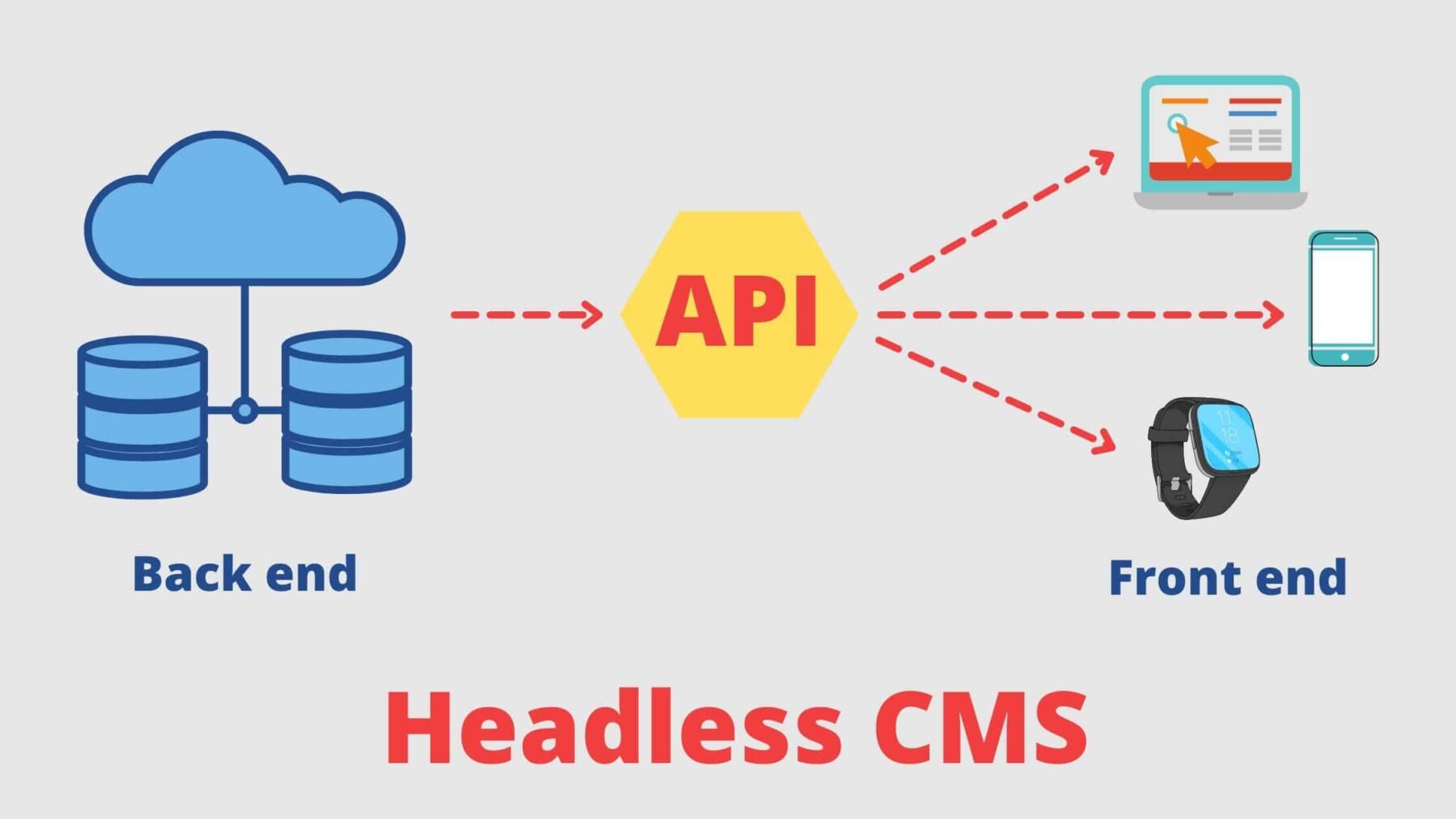
The benefits of this approach are huge. For one, it makes customer self-service a breeze. Customers can access your content wherever they are, on whatever device they're using, in a way that suits them.
But the biggest advantage of headless delivery is its flexibility and adaptability. In the digital age, things change fast. New platforms and technologies are constantly emerging, and customer expectations are always evolving.
With a headless delivery system, organizations can easily adapt to these changes, as it allows you to quickly:
- Update your content
- Add new delivery channels
- Change how your content is displayed
Headless delivery is a game-changer for customer self-service, offering unprecedented flexibility and adaptability. And in the digital age, that's exactly what you need to stay ahead.
A CCMS for the Government Services Sector
Government agencies operate on a scale unlike any other sector. They are responsible for creating, managing, and distributing vast amounts of critical information that affects citizens' daily lives. From public health advisories and legal statutes to policy documents and procedural guides, the content must be accurate, accessible, and secure. A Component Content Management System (CCMS) provides the structured framework necessary to handle this complexity, ensuring that public information is consistent and reliable across all channels. By treating content as modular, reusable assets, a CCMS helps government bodies streamline their workflows, reduce errors, and deliver essential services more effectively to the public they serve.
Understanding Government Services and Their Content Needs
The content needs of government agencies are unique due to the sheer volume of information they manage and the critical importance of its accuracy. These organizations are tasked with communicating complex regulations, policies, and services to a diverse public audience. This requires a system that can handle intricate content relationships, enforce consistency, and ensure that information is easily discoverable for citizens seeking self-service solutions. A CCMS is built to address these specific challenges, providing a robust foundation for managing public information with the precision and reliability that citizens expect and deserve.
What Are Government Services?
Government services encompass the essential functions that support the well-being, safety, and rights of citizens. This includes everything from social security and healthcare programs to transportation infrastructure, public safety, and legal frameworks. The documentation supporting these services is not just informational—it's often legally binding and directly impacts people's lives. Clear, accurate, and accessible content is fundamental to ensuring citizens can understand their rights, access benefits, and comply with regulations. This makes the effective management of this content a core function of good governance and public service.
Common Use Cases in Government Agencies
Government agencies use a CCMS to manage large volumes of public information, ensuring it remains accurate and easy to access. Common use cases include creating and maintaining regulatory documents, policy manuals, public announcements, and citizen-facing help guides. For example, an agency can use a CCMS to update a single legal clause and have that change automatically populate across hundreds of related documents. This ensures consistency and compliance while saving countless hours of manual work, allowing agencies to focus on serving the public instead of chasing down content inconsistencies.
Managing Critical Government Content
For government agencies, content is more than just words on a page; it's the backbone of public service. Managing this critical information requires a system that can enforce consistency, track changes, and ensure every piece of content is approved and up-to-date. A CCMS provides the necessary tools for managing structured content as individual components. This approach allows teams to reuse approved content blocks, like legal disclaimers or policy statements, across multiple documents and platforms. The result is a highly efficient and reliable content operation that minimizes risk and builds public trust through clear, consistent communication.
Types of Agencies Using a CCMS
A wide range of government bodies benefit from a CCMS, especially those dealing with extensive and complex documentation. Federal agencies, such as those overseeing healthcare, defense, or finance, rely on a CCMS to manage national policies and regulations. State and local governments use it to handle everything from public works procedures to local ordinances and citizen services. Any agency tasked with producing large amounts of information that must be consistent, accurate, and easily reusable finds a CCMS to be an indispensable tool for maintaining order and clarity in their documentation.
Types of Content Managed by a CCMS
A CCMS is designed to handle the diverse content types common in government, including legislation, procedural manuals, public notices, and internal policies. Because it allows you to reuse the same piece of content in many different places, it saves time and ensures consistency. For instance, a specific safety procedure can be written once and then inserted into training manuals, field guides, and public safety announcements. If that procedure is updated, the change is made in one place and reflected everywhere, eliminating the risk of outdated information circulating among employees or the public.
Meeting High Security and Compliance Standards
Security and compliance are non-negotiable in the government sector. Public trust and legal obligations demand that information is handled with the utmost care. A CCMS is designed to meet these stringent requirements by providing robust content governance features. It maintains a clear, auditable history of all content versions, approvals, and changes, which is essential for regulatory compliance. Granular access controls ensure that only authorized personnel can create, edit, or approve sensitive information, protecting content integrity and preventing unauthorized modifications. This creates a secure and transparent environment for managing critical government documentation.
Making the Right Choice: CCMS Considerations
Selecting a Component Content Management System is a significant decision that can reshape how an organization manages its most valuable information. It’s not just about adopting new software; it’s about committing to a more structured and efficient way of working. Before making a choice, it’s important to understand the potential challenges of implementation, from initial costs to long-term vendor relationships. Weighing these factors carefully will help you find a solution that not only meets your technical requirements but also aligns with your organization's goals and resources, setting your team up for long-term success.
Potential Challenges of Implementation
While the benefits of a CCMS are substantial, the path to implementation can present challenges. The process requires careful planning, resource allocation, and a clear understanding of your organization's content strategy. Acknowledging these potential hurdles upfront is the first step toward overcoming them. Key considerations include the initial financial investment, the complexity of migrating existing content, and ensuring the chosen system can adapt to your specific needs. Addressing these points proactively will help ensure a smoother transition and a more successful adoption of the new system across your teams.
High Cost and Complex Setup
A CCMS can be a significant investment, particularly for large organizations with extensive content libraries. The costs extend beyond the software license to include implementation, data migration, and team training. While the initial outlay may seem high, it's important to view it in the context of long-term returns. A well-implemented CCMS reduces content creation costs, minimizes compliance risks, and improves operational efficiency. The upfront investment pays dividends by creating a scalable content infrastructure that supports your organization's growth and reduces the much higher costs associated with content-related errors and inefficiencies.
Customization Limits and Vendor Dependence
When choosing a CCMS, it's important to consider how much you can adapt the system to your specific workflows. Some systems offer limited customization, which can force your team to change its processes to fit the software. This can also lead to vendor dependence, where you rely heavily on the provider for any adjustments or new features. The key is to find a flexible platform and a vendor that acts as a true partner, offering a solution that can be configured to support your unique needs without locking you into a rigid, unchangeable structure.
The Case for Buying vs. Building a CCMS
When faced with the need for a sophisticated content management solution, some organizations consider building their own system in-house. While this approach seems to offer total control, it often leads to unforeseen errors, security vulnerabilities, and spiraling costs. Developing a CCMS from scratch requires deep, specialized expertise in structured content, data modeling, and enterprise software development. The ongoing maintenance, security patches, and feature updates alone can become a massive drain on resources, distracting your team from its core mission. Opting to buy a proven CCMS allows you to leverage years of dedicated development and industry expertise, ensuring you get a reliable, secure, and feature-rich platform right from the start.
Ready to Improve Your Self-Service Experience?
Effective customer self-service operations allow users to find answers quickly and conveniently. By using a CCMS, organizations can maintain a consistent message, minimize errors, and ensure that content is easy to find and use.
Are you ready to enhance your organization’s customer self-service? Heretto CCMS can make your organization’s help portal efficient and effective. Get started today by booking a demo, or learning more about Heretto.
Frequently Asked Questions
How is a CCMS different from a standard content management system? Think of it this way: a standard CMS, like the one you might use for a blog, manages entire pages or articles. A Component Content Management System (CCMS) works on a much smaller scale. It breaks your content down into individual, reusable pieces—like paragraphs, warnings, or procedural steps. Instead of writing a whole new page, you assemble these pre-approved components. This ensures that a critical piece of information is identical everywhere it appears because it’s all pulled from a single, original source.
My team is used to writing full documents. Is it difficult to switch to topic-based authoring? It’s definitely a mindset shift, but most writers find it makes their work more focused and efficient. Instead of thinking about a 50-page manual, you concentrate on creating a single, clear topic that answers one specific question for the user. This approach forces you to write with extreme clarity and makes your content much more useful for self-service portals, where customers are looking for quick, direct answers, not long narratives.
What exactly is 'headless delivery' and why is it important for self-service content? Headless delivery separates your raw content from the way it's presented. Imagine your content is stored in a central hub (the "body"). A "head" is any place that content needs to be displayed—a website, a mobile app, a chatbot, or even a smart display. A headless system lets you send that same piece of content from the central hub to any "head" without having to reformat it each time. This is crucial for self-service because it means your customers get the same accurate answer whether they're searching your knowledge base or asking a support bot.
How does a CCMS actually save money on translations? The savings come from reuse. In a traditional workflow, if you update one sentence in a manual, you often have to send the entire document back for re-translation. With a CCMS, you only send the single, updated component to be translated. Once that small piece is translated, it's stored in the system. The next time you use that component in another document, the translation is already there and ready to go. You only pay to translate each unique piece of content once.
Why is a CCMS particularly useful for government agencies? Government agencies manage an immense volume of information where accuracy isn't just a goal—it's often a legal requirement. A single outdated policy or incorrect procedure can have serious consequences. A CCMS provides the control and consistency needed to manage this complexity. It creates a single source of truth for critical information, ensuring that a legal clause or public safety notice is identical across every manual, website, and public-facing document, which is essential for maintaining compliance and public trust.


